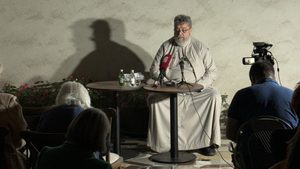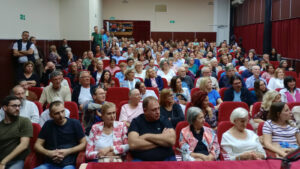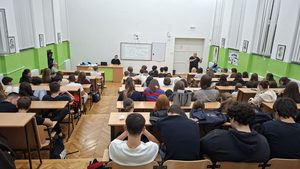
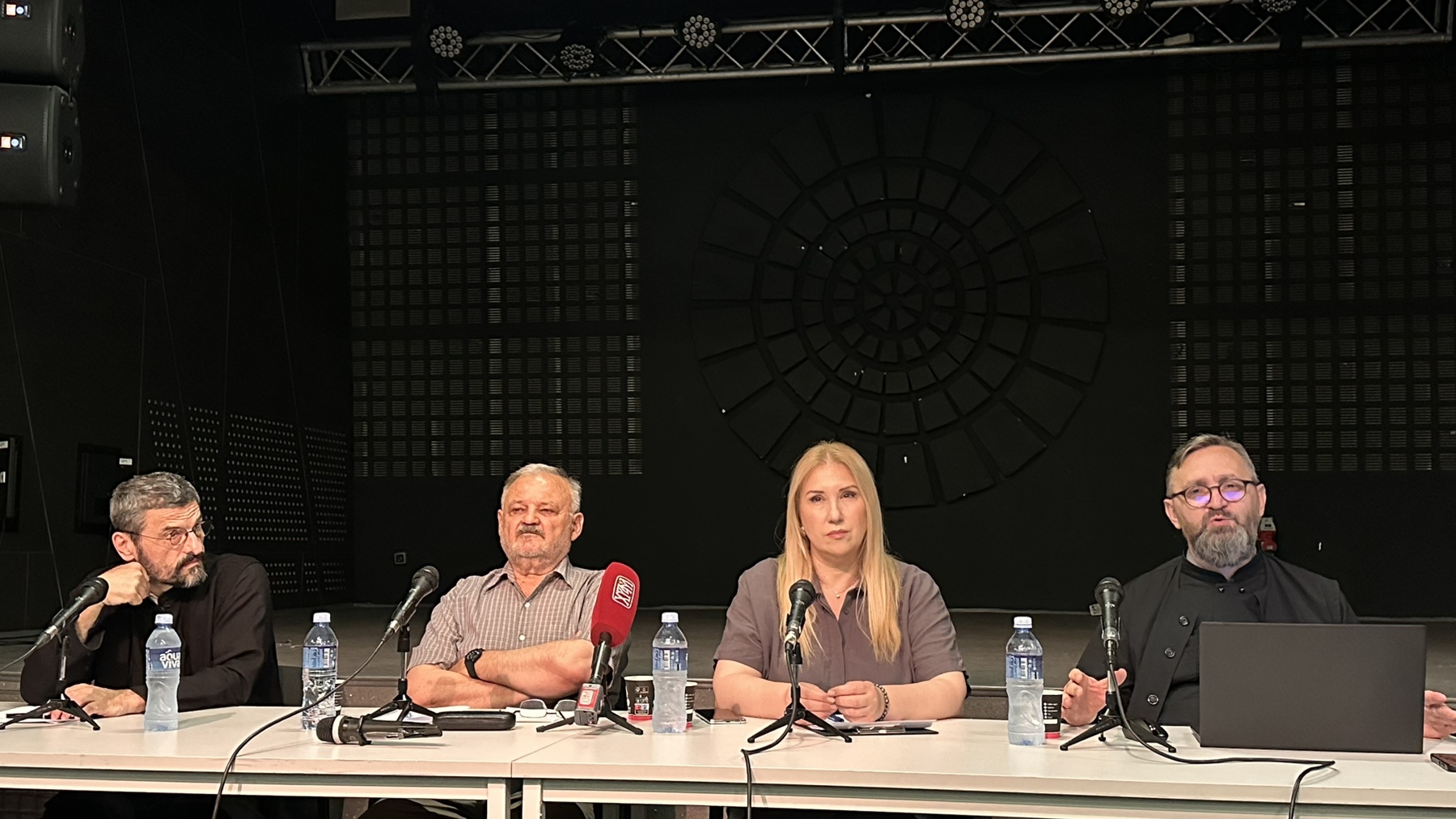
Organized by the Section for Dialogue in the Public Sphere of the Missionary Department of the Archdiocese of Belgrade–Karlovci, a panel discussion entitled “From Environmental Ecology to Mental Ecology – What Truly Pollutes the World?” was held at the Belgrade Youth Centre on 23 June. The event brought together experts in theology, psychology, and media studies with the aim of addressing the contemporary ecological crisis from a broader anthropological and cultural perspective.
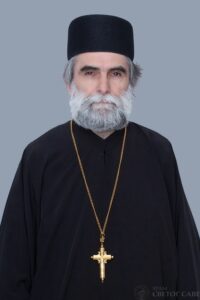
The participants included Presbyter Dragan Popović, member of the Holy Synod’s Committee on Bioethics; Professor Jovan Mirić, PhD, Professor Emeritus of the Faculty of Philosophy and permanent expert associate of the Missionary Department of the Archdiocese of Belgrade–Karlovci; Sanja Anđelković Lubardić, Editor-in-Chief of TV Hram and Radio Slovo Ljubve; and Presbyter Aleksandar Milojkov, PhD, Coordinator of the Section for Dialogue in the Public Sphere of the Missionary Department of the Archdiocese of Belgrade–Karlovci, who served as moderator.
In the introductory remarks, it was emphasized that contemporary cosmology, by pointing to the temporal limits of the universe and the finitude of all created things, confirms in a remarkable way the ancient Christian conviction regarding the created nature of the world. At the same time, it was stressed that the Christian faith does not end with transience, but rather recognizes in the Resurrection of Christ the foundation of hope and the renewal of the whole creation.
The participants agreed that the ecological crisis cannot be reduced solely to the issue of environmental pollution, but is to a great extent connected with a crisis of the human person, including values, habits, and attitudes towards the world. Particular attention was devoted to the concept of “mental ecology,” namely the question of how the media, the culture of sensationalism, aggressive content, and consumerist mentality shape public consciousness and influence the quality of the public sphere.
During the discussion, it was noted that technological solutions and legislative measures, although necessary, are not in themselves sufficient to overcome contemporary ecological challenges. One of the principal conclusions highlighted the need for both personal and social responsibility, the restoration of a culture of moderation and solidarity, and the development of an awareness that humanity’s relationship with nature cannot be separated from its relationship with other human beings and with the community as a whole.
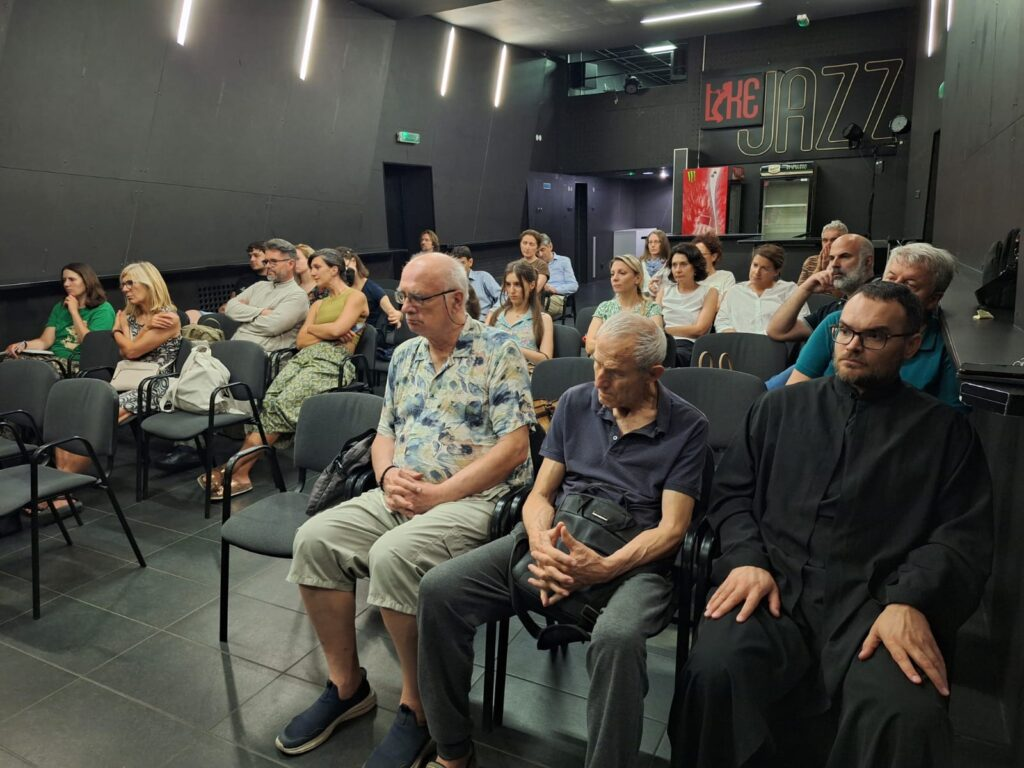
The panel unfolded in a spirit of open and well-reasoned dialogue, with active participation and questions from the audience. It demonstrated that issues of ecology, anthropology, media, and spirituality are deeply interconnected and require an interdisciplinary approach.
TV Hram made a recording of the event and we will upload it as soon as it becomes available.