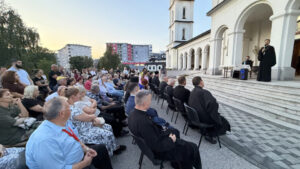
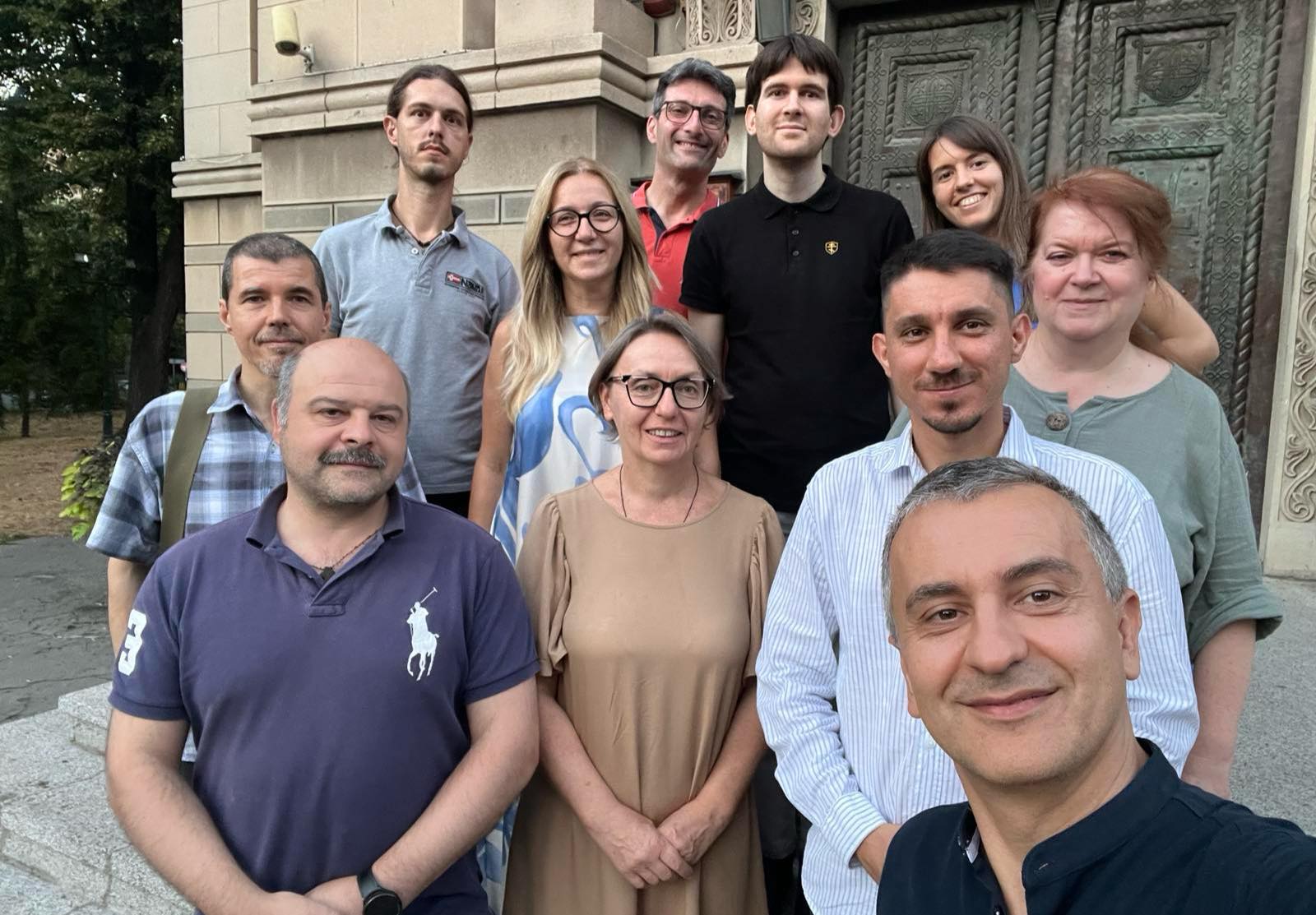
The third cycle of the “Digital Parish Mission” course began on Wednesday, 2 September 2026, at 6:00 p.m., at the offices of the Missionary Department of the Archdiocese of Belgrade and Karlovci. From their very first meeting, the new group of participants was united by a shared desire to place their knowledge, experience, and time at the service of the Church and to assist the priests of their parishes in developing Orthodox mission in the digital sphere.
The first meeting was devoted to a theoretical introduction to digital parish mission. Participants contributed their experiences, questions, and observations concerning the ways in which their parishes are currently represented online and what could be improved in this regard. The discussion addressed the role of electronic media in the Church’s contemporary mission; the importance of parish websites and social media, YouTube channels, and Viber and Telegram communities; as well as the opportunities that contemporary digital tools and artificial intelligence can offer for digital mission. Particular emphasis was placed on the point that the digital sphere is not a substitute for the church and the liturgical community, but rather a means of helping people draw closer to the life of the Church.
One of the key topics of the first session was the role of parishioners as collaborators with priests in digital mission. Parishioners can assist by documenting church events, preparing texts and posts, providing technical support, managing websites, or sharing reliable content. The participants’ desire to offer practical assistance to the priests of their parishes made a particularly strong impression at the first meeting. They came with the intention of translating the knowledge they acquire into concrete missionary activity in their parishes. This is precisely the course’s principal aim: to equip participants, in consultation with their priest, to become active contributors to the digital mission of their parish community.
At the forthcoming sessions, in addition to attending lectures and discussions, participants will work on practical assignments, analyse examples of effective and ineffective digital missionary practice, and gradually develop their own digital missionary project, which they will present to the other course participants at the final session. The launch of this third cycle once again demonstrates the interest in an organised and responsible approach to Orthodox mission in the digital sphere. The Church does not change its Gospel message; the means by which that message reaches people are changing. The willingness of parishioners to use their knowledge in support of their priests can be an important way for digital parish mission to become the shared work of the entire parish community.
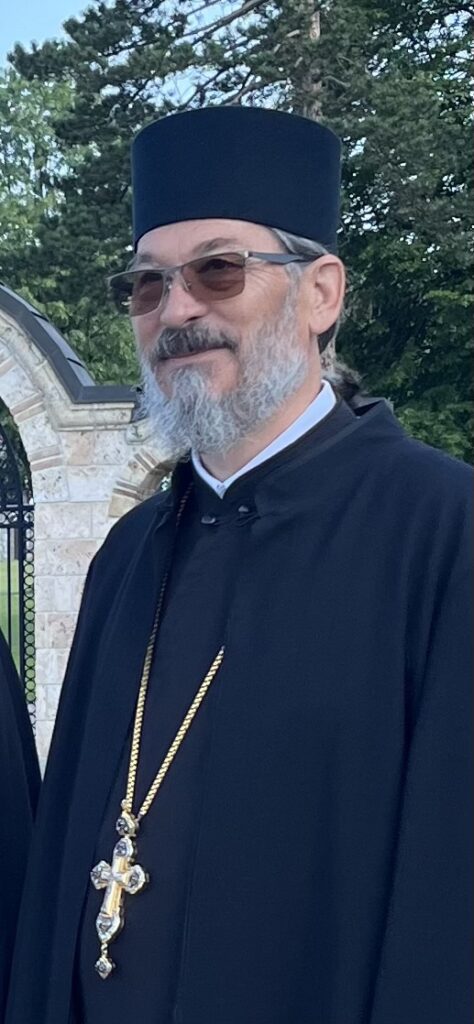
Dr Nenad Badovinac,
Coordinator of the Electronic Mission Section
Photo: Missionary Department of the AEM