Halloween is one of the official holidays of the religious organisation The Satanic Temple, registered in the United States (1).
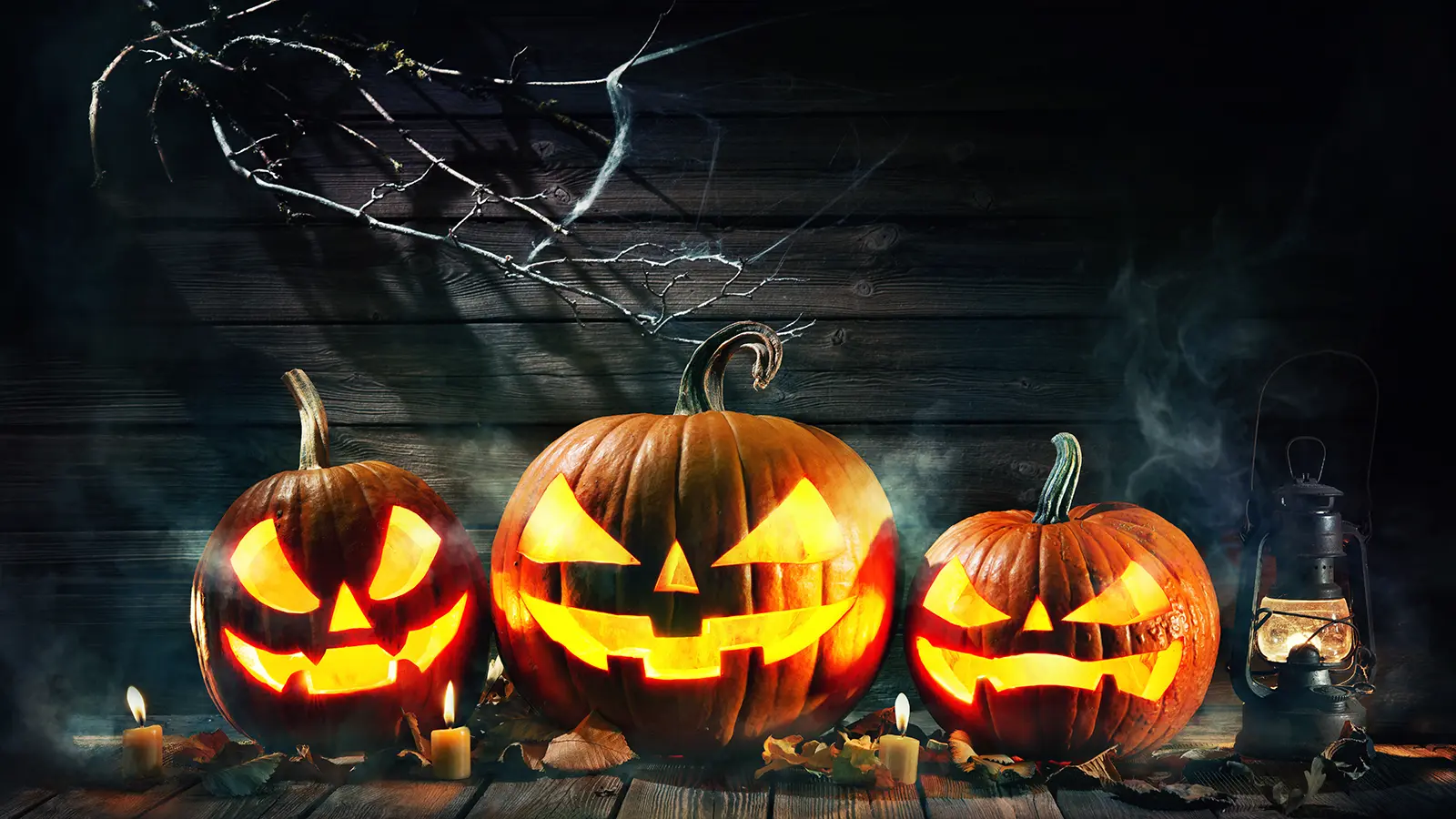
Halloween is a holiday celebrated on 31st October in Western countries, which has its roots in Celtic mythology and pagan traditions. The name Halloween is a contraction of All Hallows’ Eve, referring to the eve of “All Saints’ Day”. It is widely celebrated in the United States, the United Kingdom, Belgium, Sweden, Canada and other Western nations.
Shops are stocked weeks in advance with Halloween-themed merchandise, primarily costumes and “toys” for children. These items almost exclusively symbolise death or evil – skulls, skeletons, vampires, bats, or the Grim Reaper in the form of a skeleton, wielding a plastic scythe in his right hand.
For girls, witch costumes are particularly popular. In our culture, the witches are traditionally seen as beings with supernatural or magical powers, often imagined flying on broomsticks and accompanied by black cats. In folklore, they are considered to be women with demonic spirits, rising from graveyards at night to harm people, particularly children, from whom they supposedly extract hearts or livers for sustenance.
As noted earlier, the term Halloween, derived from All Hallows’ Eve, originally denoted a holy evening. However, its significance differs markedly in Orthodox Christian cultures, including Serbia, Russia, and other traditionally Orthodox countries.
In Orthodox Christianity, a holy evening or day signifies the veneration of saints. Saints are individuals canonised for lives devoted to Jesus Christ. In the Orthodox Church, saints are those who have achieved deification, succinctly described by the Apostle Paul: “It is no longer I who live, but Christ lives in me.” For Serbian Orthodox Christians, each family celebrates its patron saint (krsna slava).
On 31st October, according to the Orthodox calendar, Serbian Orthodox Christians celebrate St. Luke the Evangelist and St. Peter of Cetinje. Regrettably, efforts are underway to popularise the observance of Halloween in Serbia.
We will conclude this brief account with a poignant question posed by St. Bishop Nikolaj of Žiča: “And you, Serbia, where do you think you are going, following in Europe’s footsteps?”
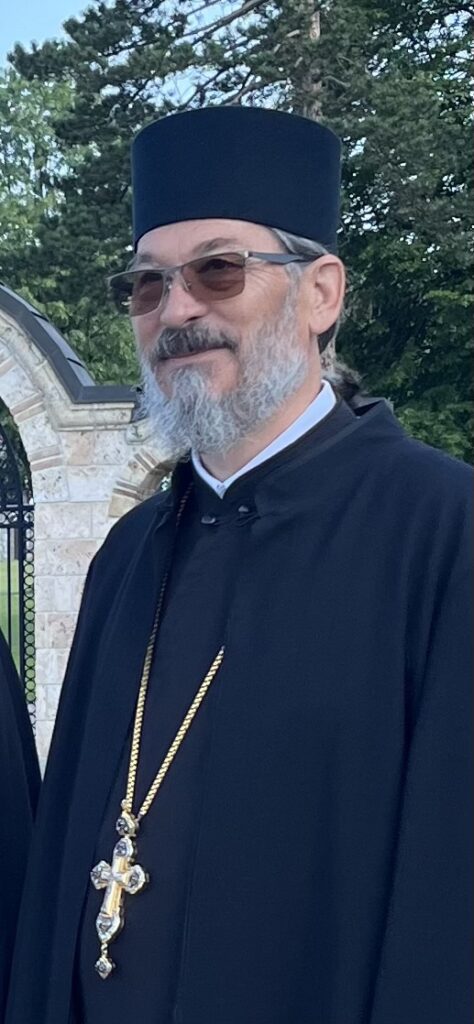
Author: Dimitrije Marković, Permanent Expert Associate of the Section for Apologetic Mission of the Missionary Department of the Archdiocese of Belgrade-Karlovci.
References:https://thesatanictemple.com/pages/holidays
PHOTO: iStock