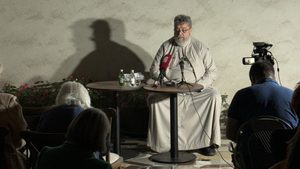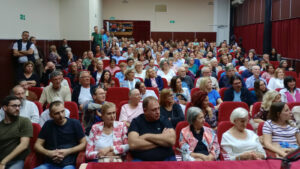
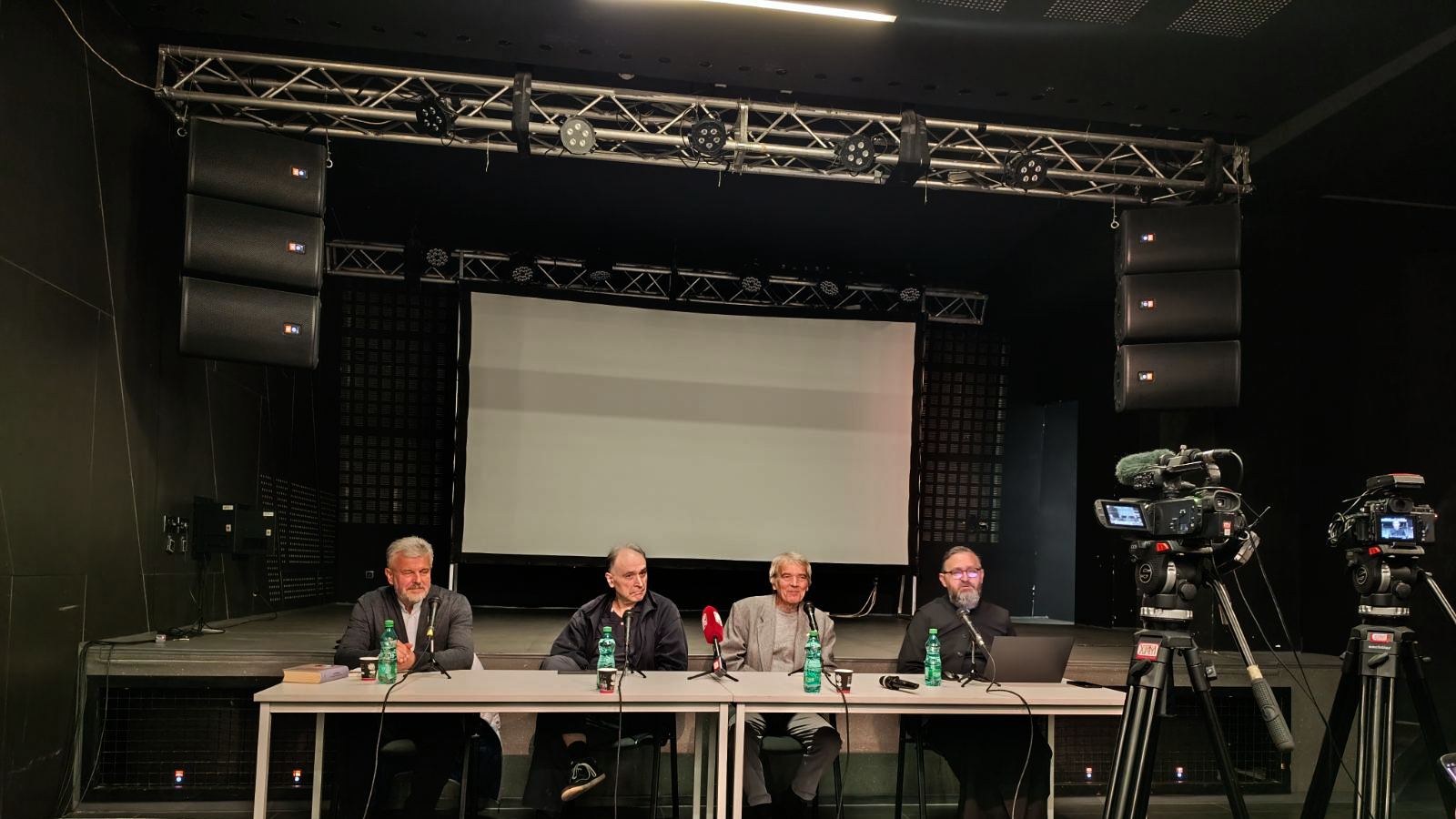
A panel discussion entitled “Is Morality a Personal Matter? – The Relationship Between Personal Conscience and Public Ethics” was held at the Belgrade Youth Centre, organized by the Public Dialogue Section of the Missionary Department of the Archdiocese of Belgrade–Karlovci.
Starting from a question which, as emphasized in the introductory remarks, touches upon the very foundations of understanding the human person and society, the participants examined the tension between personal conscience and public morality, as well as the possibility of establishing a shared ethical foundation in a contemporary pluralistic society. The discussion followed the structure of the panel plan, which envisaged three thematic segments: the limits of personal conscience, the question of common morality, and the place and role of the Church in the public sphere.
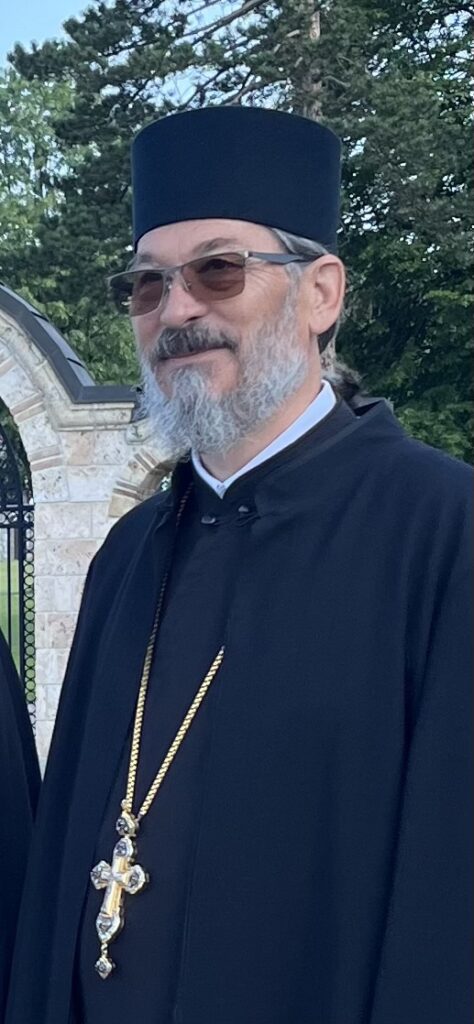
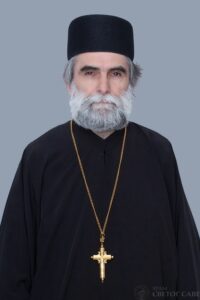
The discussion featured Prof. Dr. Nenad Cekić, Prof. Dr. Zdravko Peno, and Prof. Dr. Aleksandar Petrović, who, from the perspectives of their respective disciplines—philosophy, theology, and the humanities—offered distinct yet mutually complementary viewpoints.
Particular attention was drawn to the presentation by Professor Petrović, who described ethics as an “energy” capable of manifesting itself both as good and as evil. In this context, the moderator initiated a further examination of whether hypocrisy constitutes the primary manifestation of ethics as a negative energy, that is, whether the absence of hypocrisy represents the very foundation of authentic and sound ethics. This issue opened a dynamic dialogue among the participants, highlighting the profound connection between one’s inner moral disposition and its public expression.
During the discussion, the participants agreed that one possible fundamental maxim of public morality could be formulated as follows: act in such a way that you do not cause pain or suffering to others, which was recognized as the minimal ethical common denominator within a society of diverse beliefs.
Regarding the segment with Professor Peno, particular attention was given to the challenges currently faced by the Serbian Orthodox Church in the public sphere. It was emphasized that the Church is, on the one hand, frequently accused of “imposing its own values” and “threatening human freedoms,” while, on the other hand, it is often subjected to ridicule and a blatant disregard of the religious sentiments of the believers. In this context, examples were also cited from Serbian and Yugoslav cinematography, which has for decades had a tendency of caricaturing ecclesiastical figures, at times to the point of blasphemy.
The panel concluded with an interaction with the audience, during which the key issues concerning the relationship between personal freedom, public responsibility, and moral values in contemporary society were considered in greater depth, leaving an impression that this topic will be a subject for continued debate.
We will upload soon the panel discussion, which was covered by TV Hram.