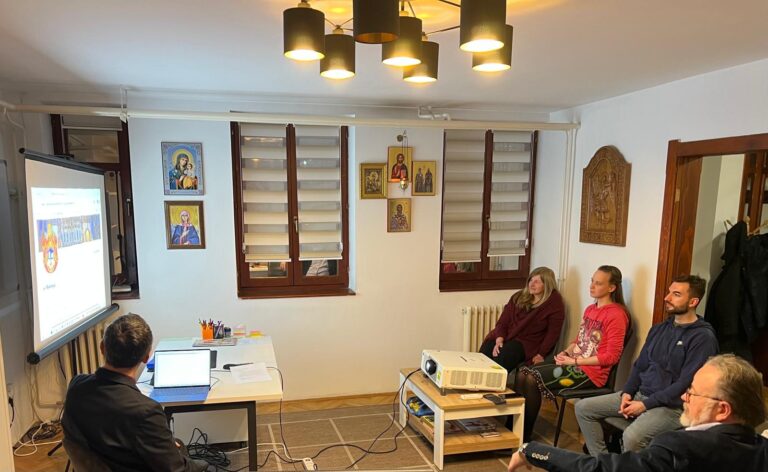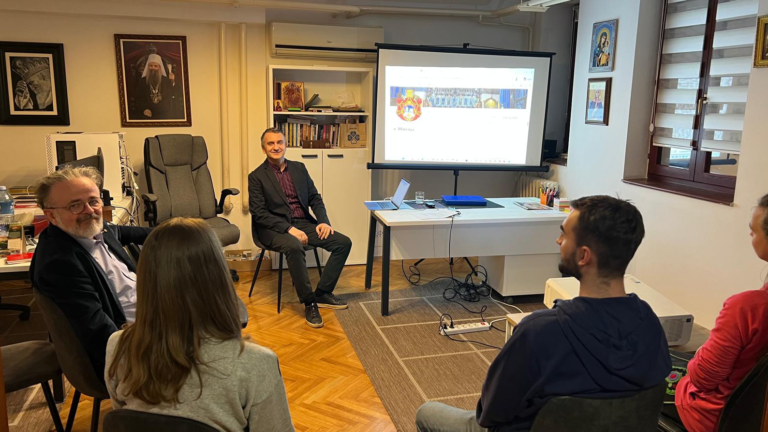
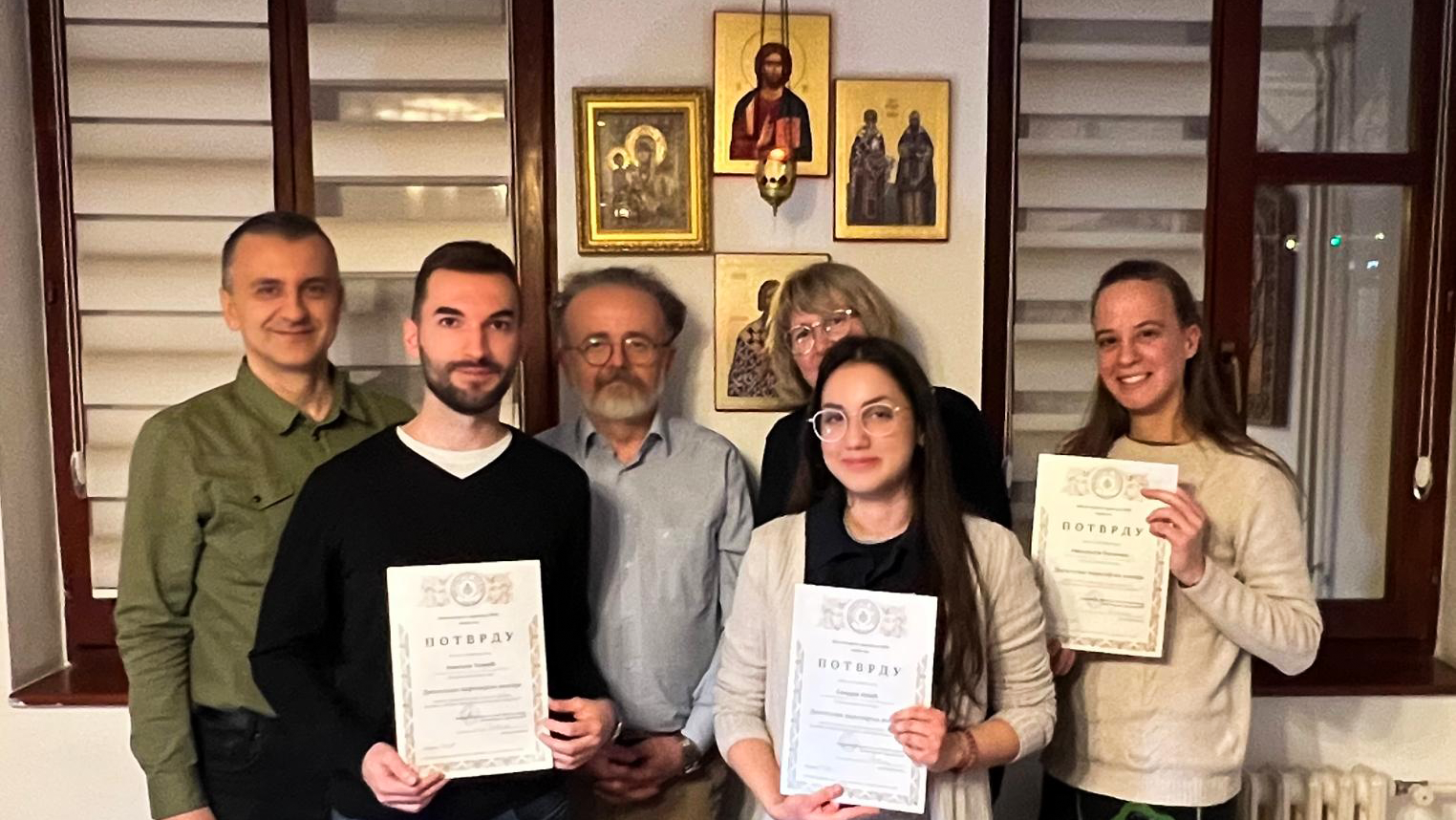
On 1 April 2026, on the premises of the Missionary Department of the Archdiocese of Belgrade–Karlovci, the fourth and final session of the course on “Digital Parish Mission” was held. Through practical work, the participants were guided in developing their own personal missionary digital projects, thereby demonstrating their readiness to actively contribute to the Church’s mission in the digital space.
On the same day, the course on “Digital Parish Mission” was successfully completed, bringing together participants eager to contribute to the development of the Church’s mission in the digital space. Throughout the course, participants acquired the necessary theoretical and practical skills. During the final session, the missionary projects developed by the participants themselves were presented, based on the eight sessions delivered by Dr Nenad Badovinac, Coordinator of the Electronic Mission Section of the Missionary Department of the Archdiocese of Belgrade–Karlovci. Following the individual presentations, a discussion ensued with questions and suggestions from other participants. This course format proved that the exchange of experience fosters a strong missionary spirit essential for parish digital mission. The presented projects are ready for implementation, and are briefly described below:
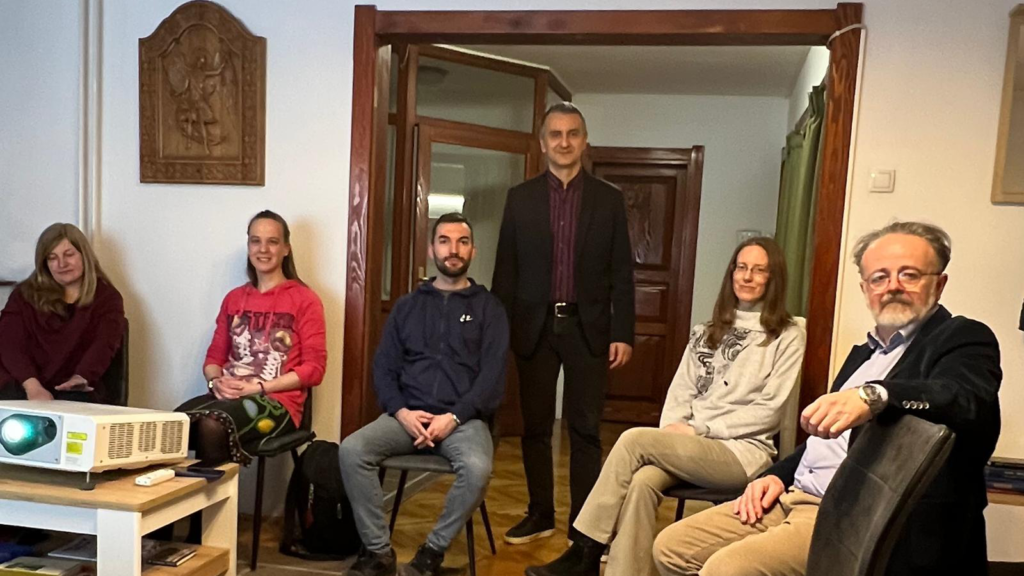
- Aleksandra designed and presented a project aimed at three target groups, with the intention of bringing them “from the web” into the Church. These include, first and foremost, young families seeking community and support in the Christian upbringing of children, as well as information about baptisms. The second group consists of young professionals seeking inner peace and answers to contemporary challenges. The third group includes local residents—people from the neighbourhood who wish to be promptly informed about the schedule of services and events in their parish.
- Nikoleta developed a project based on already existing multimedia content from parish life, which through digital processing and clearer profiling aims to make such content more visible and better positioned online. Her project focuses on improving the parish church’s Instagram page by publishing short video messages from priests, quotations from the Holy Fathers, as well as announcements of services and other parish events.
- Nikola devised a practical and easily implementable project involving the creation of a Viber community within the parish. During his presentation, he outlined the goals and tasks of the project, as well as its implementation plan. He presented the method of managing the Viber community and highlighted the benefits that parishioners would gain from this form of digital communication.
- Velimir and Svetlana presented a joint digital project aimed at making the multimedia spiritual content more accessible to the academic community and educated individuals interested in spiritual life. Special emphasis was also placed on the possibility for interested believers to actively engage in e-mission and contribute, through their knowledge and involvement, to the development of the Church’s digital mission.
- Sandra designed and presented a project aimed at making the faith more accessible to children and parents through thoughtfully created digital content. The project includes, for example, publishing invitations to children’s workshops and parish activities, as well as presenting the life of the Church through social media and youth engagement.
- Jelena developed a project aimed at introducing the topic of digital mission to children through religious education classes which she teaches. Aware that children are familiar with modern digital technologies, she proposed organising short discussions and meetings on the topic of digital mission via the Zoom application, in which other course participants would also take part.
During the final session, alongside the presentation of projects, participants were actively engaged, asking questions and supporting one another, thus demonstrating that digital mission is a work of the entire Church community. After the presentations, certificates of successful course completion were awarded by the Missionary Department of the Archdiocese of Belgrade–Karlovci. This was followed by a group photo session. All participants emphasised that the course had helped them acquire new skills which they intend to apply within parish digital mission.
Coordinator of the Electronic Mission Section
Dr Nenad Badovinac